Handed a Pill and Shown the Door: The Antidepressant Shortcut That's Failing Perimenopausal Women

Handed a Pill and Shown the Door: The Antidepressant Shortcut That's Failing Perimenopausal Women
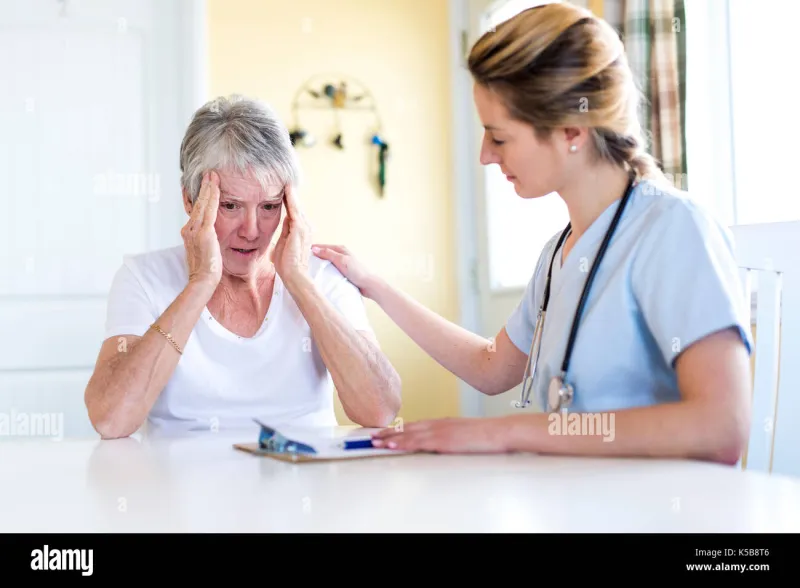
Sarah was 44 when she first walked into her GP surgery feeling, as she puts it, "like a stranger in my own head." She was crying at adverts, snapping at her kids, waking at 3am with her heart pounding, and struggling to string sentences together at work. She'd been a confident, high-functioning project manager for two decades. Suddenly, she wasn't.
Her GP listened. He nodded. He typed. And then he handed her a prescription for sertraline.
"I didn't even question it," Sarah tells us. "He said it was anxiety and depression. I trusted him. I took them for eight months before a friend mentioned perimenopause. Eight months."
Sarah's story is not unusual. It is, according to menopause specialists, practitioners, and a growing body of evidence, depressingly common.
The Numbers Behind the Pattern
NHS prescribing data tells a quietly alarming story. Antidepressant prescriptions in England have risen sharply over the past decade, with women aged 40–55 representing one of the fastest-growing groups. Meanwhile, the British Menopause Society has repeatedly flagged that perimenopausal symptoms — mood instability, anxiety, low mood, brain fog, disrupted sleep — are frequently misattributed to primary mental health conditions.
A 2023 survey by Menopause UK found that nearly half of women who sought help for menopause-related mood symptoms were initially offered antidepressants before any hormonal conversation took place. That's not a rogue statistic. That's a systemic failure.
Dr. Shahzadi Harper, a GP and menopause specialist, is direct about why this happens. "GPs have ten minutes. A woman comes in describing low mood and anxiety, and the clinical pathway for that is clear — it points towards antidepressants. But the training to recognise that these same symptoms, in a woman of this age, might be hormonal? That's still patchy at best."
What the Guidelines Actually Say
Here's what many women — and, frankly, some GPs — don't know: NICE guidelines (NG23, updated 2019 and currently under further review) explicitly state that HRT should be considered as a first-line treatment for psychological symptoms of perimenopause, including low mood and anxiety, where these are thought to be hormone-related. Antidepressants, the guidelines note, are not recommended as a first-line treatment for these symptoms in perimenopausal women unless there is a clear, separate diagnosis of clinical depression.
That's not fringe opinion. That's the National Institute for Health and Care Excellence. And yet the gap between guideline and practice remains vast.
Dr. Louise Newson, founder of the Newson Health Menopause and Wellbeing Centre and one of the UK's most prominent menopause advocates, has described this gap as "a crisis of missed diagnosis." She argues that women are being medicated for a condition they don't have, while the actual cause of their suffering goes untreated.
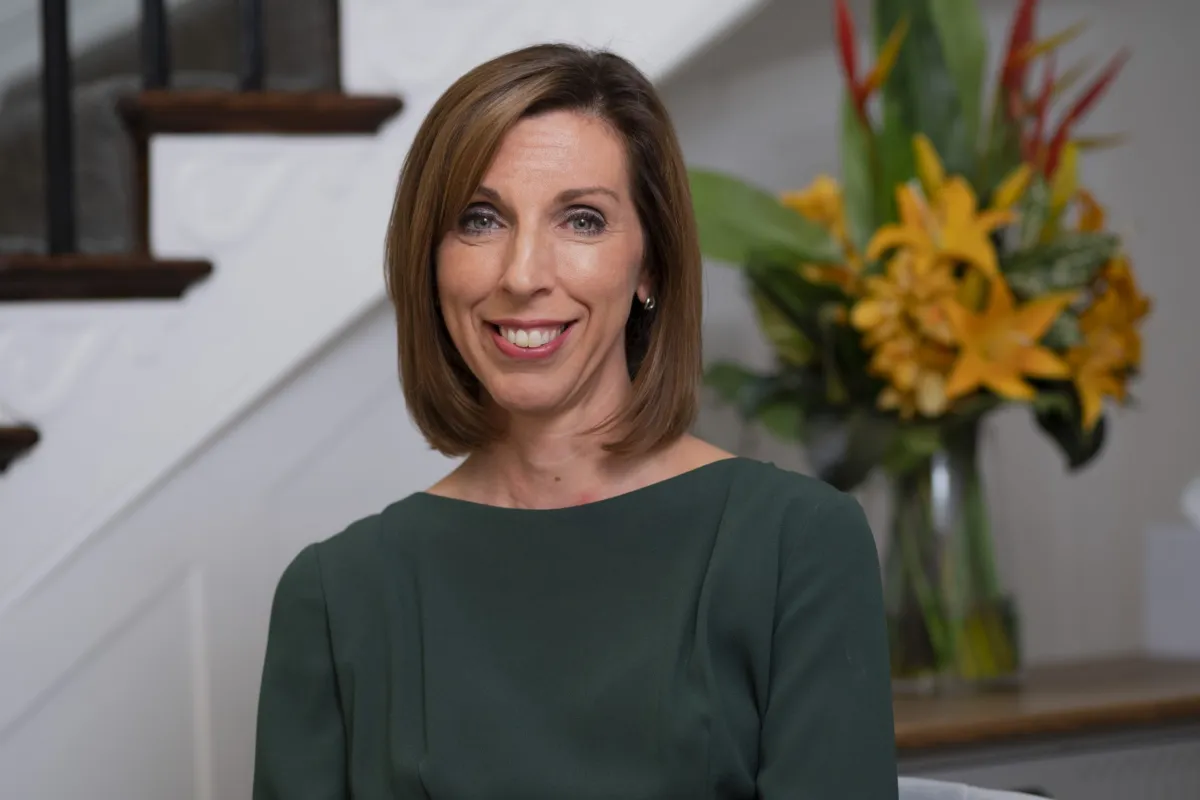 Photo: Dr. Louise Newson, via wearethecity.com
Why It Keeps Happening
The reasons are layered. GP training on menopause, while improving, has historically been thin — one 2021 study found that medical students received an average of just one hour of menopause education during their entire degree. The ten-minute appointment structure makes nuanced hormonal investigation feel impossible. And there's a cultural dimension too: women's emotional distress has long been pathologised as psychiatric rather than physiological.
"There's still this unconscious assumption," says Dr. Harper, "that a woman in her forties who's struggling emotionally is anxious or depressed. The hormonal explanation requires the GP to think differently about the presentation. And if they haven't had that training, they won't."
There's also the question of blood tests. Many women are told their hormones are "normal" after a single FSH test, and therefore perimenopause is ruled out. But this is clinically misleading — hormone levels fluctuate wildly during perimenopause, and NICE guidelines specifically state that diagnosis should be based on symptoms, not blood tests alone, in women over 45.
Real Women, Real Damage
The consequences of this prescribing pattern are not abstract. Women are spending months or years on medications that do little to address their actual symptoms, while the hormonal disruption continues unchecked. Some experience side effects from antidepressants that compound their misery. Others internalise the diagnosis — "I thought I was just going mad," is a phrase we heard repeatedly — and feel shame rather than seeking further help.
Jackie, 51, from Manchester, was on antidepressants for three years before a private menopause clinic finally connected her symptoms to perimenopause. "By the time I got the right help, my relationship had nearly broken down, I'd left a job I loved, and I'd convinced myself I had early-onset dementia. The brain fog was that bad. All of that, and it was hormones."
Pushing Back: What You Can Say in That Appointment
Knowledge is power, and the right language can genuinely shift a consultation. Here's how to reframe the conversation:
Lead with your age and your cycle. "I'm 46, my periods have changed in the last 18 months, and I'm wondering whether what I'm experiencing could be perimenopause." This immediately contextualises your symptoms hormonally.
Reference the guidelines directly. You are entirely within your rights to say: "I've read that NICE guidelines recommend considering HRT before antidepressants for mood symptoms in perimenopause. Can we explore that first?"
Decline the prescription if you're not comfortable. You can say: "I'd like to try addressing this hormonally before going down the antidepressant route. Is there a reason that's not appropriate for me?"
Ask for a referral. If your GP seems uncertain, ask to be referred to a menopause specialist or a GP with a specialist interest in menopause. You can find accredited practitioners through the British Menopause Society website.
Keep a symptom diary. Document your symptoms, their timing relative to your cycle, and their impact on daily life. This creates a clinical picture that's harder to dismiss.
It Shouldn't Be Your Fight — But It Is
None of this should fall to women to navigate alone. The onus should not be on a struggling 44-year-old to cite NICE guidelines from memory in a ten-minute appointment. The system should work better. GP training is improving — the British Menopause Society now offers accreditation for healthcare professionals, and NHS England has committed to improving menopause care pathways — but change is slow, and women are suffering in the interim.
If you've been prescribed antidepressants and something doesn't feel right, trust that instinct. Ask the questions. Push for the conversation. And know that you are not alone — because the number of women who've sat in that surgery, prescription in hand, wondering if this is really the answer, is far larger than anyone in power seems willing to admit.