The Retirement Reality Check
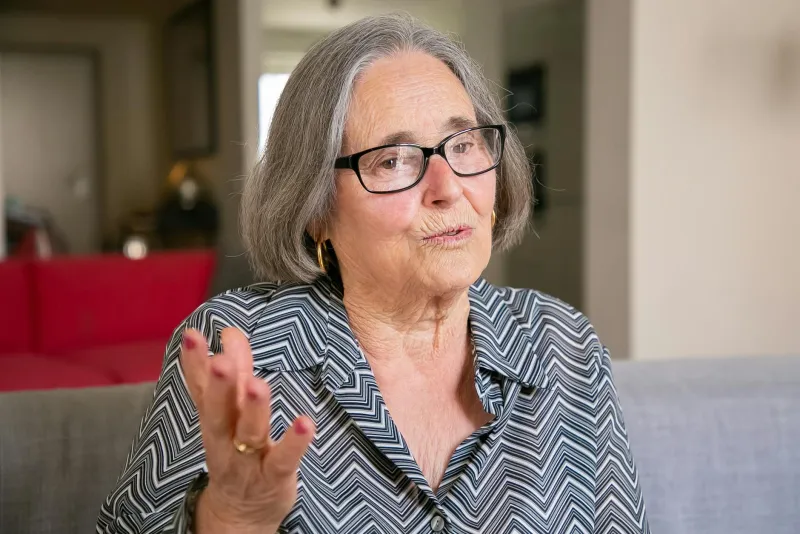
Margaret had it all planned out. After 35 years teaching secondary school in Yorkshire, she'd finally escape the stress-fuelled hot flushes that had plagued her fifties. Retirement at 62 would mean sleeping through the night, no more forgetting students' names mid-sentence, and definitely no more sweating through blazers during parents' evenings.
Eighteen months later, she's sitting in her garden at 3 AM, drenched in sweat despite the October chill, wondering why nobody told her that menopause doesn't hand in its notice when you do.
"I genuinely thought it was the job causing everything," Margaret reflects. "The pressure, the deadlines, the teenage chaos. I was convinced that once I retired, my body would just... settle down."
She's not alone. Across Britain, thousands of women are discovering that the promise of a peaceful retirement doesn't extend to their hormones. Yet this reality remains largely invisible, hidden behind assumptions that menopause is a working-age problem that magically resolves itself with a carriage clock and a pension.
The Stress Myth That's Failing Women
For decades, we've been sold the idea that stress is the primary driver of menopausal misery. Can't sleep? Must be work pressure. Brain fog? Obviously job-related burnout. Hot flushes during important meetings? Classic stress response.
This narrative is seductive because it offers hope of a solution: remove the stress, remove the symptoms. But it's also fundamentally flawed.
"Stress can certainly exacerbate menopausal symptoms," explains Dr. Helen Crawford, a menopause specialist in Edinburgh. "But the underlying cause is hormonal. Oestrogen doesn't care whether you're in a boardroom or a garden centre — when it's depleted, symptoms persist."
The truth is that post-menopausal women can experience symptoms for years, even decades, after their final period. Some research suggests that up to 40% of women continue having hot flushes for more than seven years post-menopause.
The Invisible Generation
Retired women experiencing ongoing menopausal symptoms face a double invisibility. They're too old for the workplace menopause conversation and too young for the healthcare system's focus on elderly care.
"I went to my GP about persistent night sweats at 67," says Patricia from Bournemouth. "He looked at me like I was mad and suggested it might be my duvet. I left feeling like a hypochondriac."
This dismissal isn't just frustrating — it's dangerous. Ongoing symptoms can significantly impact quality of life, mental health, and even increase the risk of cardiovascular disease and osteoporosis.
Beyond the Workplace: Symptoms That Don't Retire
Sleep Disruption Without Deadline Pressure
Many retired women are shocked to find that their sleep doesn't improve once work stress disappears. Night sweats, restless legs, and racing minds persist, but without the excuse of tomorrow's presentation to blame.
"I thought I'd finally get a full night's sleep," says Jennifer, 64, from Cornwall. "Instead, I'm still up at 2 AM, but now I've got nowhere to be the next day, which somehow makes it worse."
Brain Fog in the Garden Centre
The cognitive symptoms of menopause — difficulty concentrating, memory lapses, word-finding problems — don't disappear with your ID badge. Retired women report feeling frustrated and confused when mental clarity doesn't return.
"I couldn't remember my neighbour's name yesterday," admits Carol, 66, from Wales. "I've known her for fifteen years. It's not stress — there's something else going on."
Mood Changes Without Meeting Pressure
Depression, anxiety, and irritability can persist or even worsen in retirement, particularly for women whose identity was strongly tied to their career. The hormonal component of these mood changes is often overlooked in favour of psychological explanations.
The Healthcare Blind Spot
The NHS largely assumes that menopause is a midlife crisis that resolves itself. Most menopause clinics focus on women aged 45-55, and GPs often dismiss older women's symptoms as "normal ageing."
"There's an assumption that by 65, women should have 'got through' menopause," notes Dr. Crawford. "But hormonal health is lifelong. We wouldn't tell a diabetic that insulin becomes irrelevant at retirement — why do we treat oestrogen deficiency differently?"
This systemic ageism means that treatment options like HRT are rarely discussed with older women, despite evidence that they can be beneficial and safe for many post-menopausal women.
The Social Isolation Factor
Retirement can inadvertently worsen menopausal symptoms by reducing social connections and sense of purpose. The workplace, for all its stresses, provides structure, social interaction, and identity that many women miss.
"At work, I was too busy to dwell on how awful I felt," explains Ruth, 63, from Scotland. "Now I've got all day to notice every hot flush, every ache, every moment of feeling unlike myself."
The loss of work-based friendships can be particularly hard for women already dealing with hormonal mood changes and reduced confidence.
Rewriting the Retirement Narrative
Acknowledge the Reality
The first step is accepting that retirement isn't a magic cure for hormonal symptoms. This isn't a personal failure — it's biology.
Seek Appropriate Healthcare
Don't let age discrimination prevent you from getting proper treatment. If your GP dismisses your symptoms as "normal for your age," push back. Consider seeking a second opinion or asking for a referral to a menopause specialist.
Build New Support Networks
Retirement groups, volunteer organisations, and hobby clubs can provide the social connection that helps manage symptoms. Online communities specifically for older women going through extended menopause can be particularly valuable.
Consider All Treatment Options
HRT isn't automatically off-limits because you're over 60. Discuss the risks and benefits with a knowledgeable healthcare provider. Non-hormonal treatments, lifestyle modifications, and complementary therapies all have roles to play.
Redefine Success
Retirement doesn't have to mean symptom-free bliss to be worthwhile. Focus on what you can control — exercise, nutrition, stress management, social connections — rather than expecting perfection.
The Bigger Picture
The myth that retirement cures menopause reflects a broader societal discomfort with older women's health needs. We're happy to acknowledge menopause when it affects workplace productivity, but less comfortable discussing it as an ongoing health issue affecting women's quality of life.
"I spent my working years looking forward to retirement as my salvation," reflects Margaret. "Now I realise that was the wrong goal. The real goal is managing my symptoms so I can enjoy whatever life stage I'm in."
It's time to challenge the narrative that menopausal women should suffer in silence once they've left the workforce. Your hormones don't care about your employment status, and neither should your healthcare. Retirement should be about freedom — including the freedom to seek proper treatment for ongoing symptoms.
After all, you've earned the right to feel well at any age.