Whose Job Is It Anyway? Why Women Shouldn't Have to Educate Everyone About Menopause
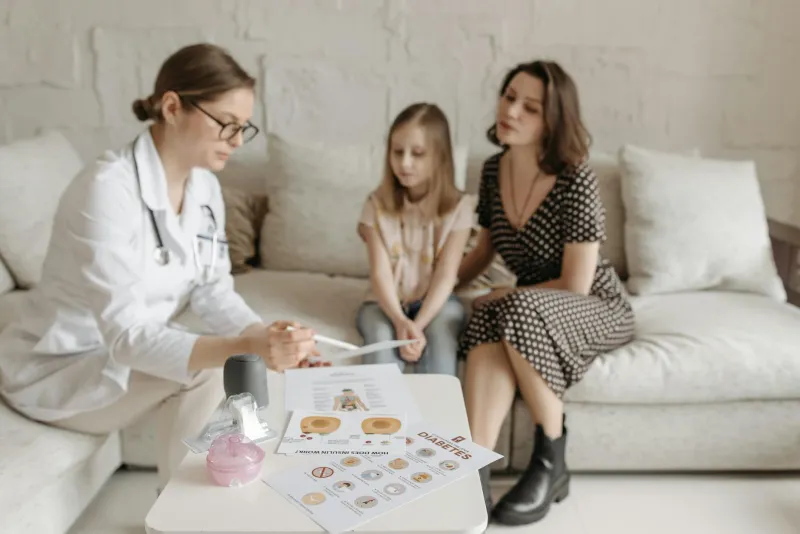
Picture this: You're sitting in your GP's surgery, describing your symptoms – the night sweats, the brain fog, the rage that comes from nowhere – only to be told it's probably stress. Or you're explaining to your line manager why you need the office temperature turned down, watching their eyes glaze over as you mention hot flushes. Sound familiar?
We decided to put the knowledge of the people who should be supporting menopausal women to the test. The results? Let's just say there's work to be done.
The Great Menopause Knowledge Gap
In an informal survey of 200 people across the UK – including GPs, partners, employers, and pharmacists – we asked some basic questions about menopause. The answers revealed a troubling pattern: the very people women rely on for support and healthcare often know less about menopause than a quick Google search would teach them.
Take this question: "What's the average age when menopause begins?" A shocking 40% of respondents thought it was after 55. The reality? The average age is 51, with perimenopause often starting in the mid-40s. That's potentially a decade of symptoms being dismissed as "too early" for menopause.
Or how about this gem: "True or false: All women experience hot flushes during menopause." Nearly 60% said true. Wrong again. Only about 75% of women experience hot flushes, and for many, they're not even the most disruptive symptom.
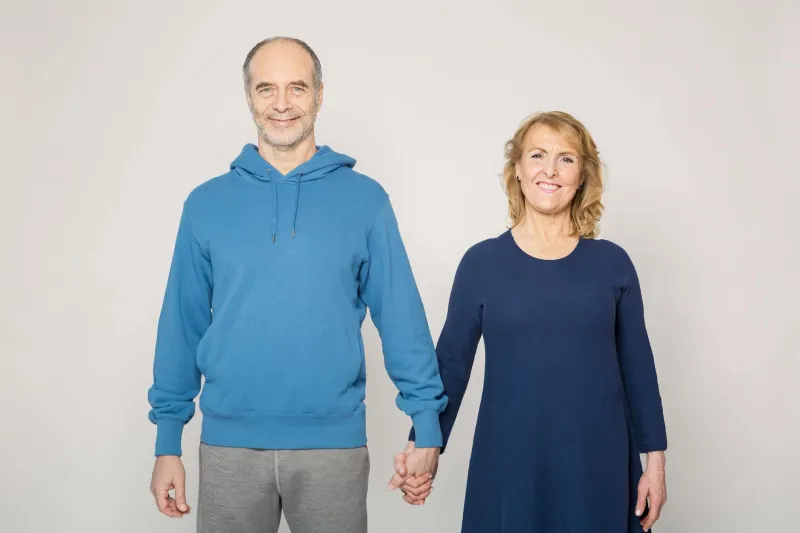
When Your Partner Thinks You're 'Just Moody'
Perhaps the most frustrating responses came from partners. When asked to list menopause symptoms, most could name hot flushes and mood swings – and that was about it. The cognitive symptoms that many women find most distressing? Barely a mention.
"I thought she was just getting a bit emotional," admitted one husband we spoke to, whose wife had been struggling with anxiety and memory issues for two years before getting a menopause diagnosis. "I kept suggesting she was working too hard or needed a holiday."
This isn't just about ignorance – it's about the emotional labour women are forced to take on. Instead of getting support during a challenging life transition, they're having to educate the very people who should be their allies.
The Workplace Knowledge Vacuum
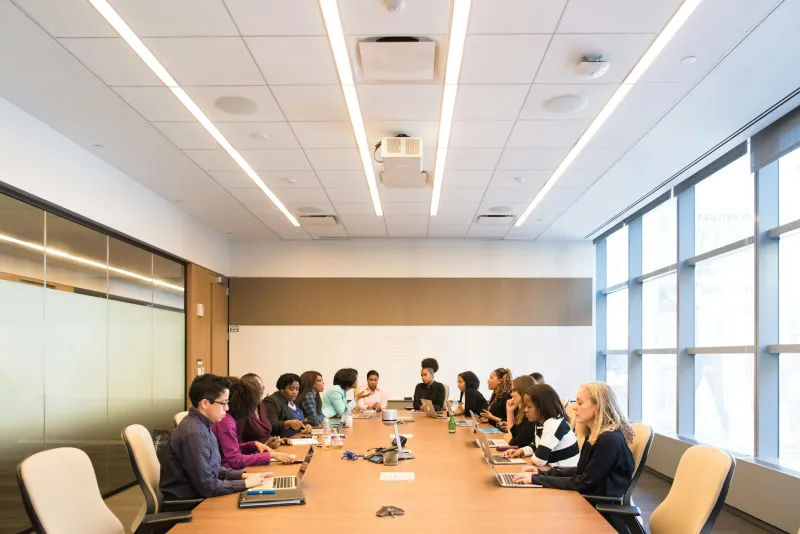
The workplace responses were equally concerning. When we asked line managers about reasonable adjustments for menopausal employees, the suggestions were woefully inadequate. "Maybe they could work from home on bad days?" was a common response, completely missing the point that symptoms can be unpredictable and varied.
One HR director confidently told us that menopause "doesn't really affect work performance" – apparently unaware that brain fog, sleep disruption, and anxiety can significantly impact concentration and decision-making.
The irony? These same workplaces often have detailed policies for other health conditions but treat menopause like it's some mysterious female ailment that's best not discussed.
Medical Professionals: Room for Improvement
Even some healthcare providers showed concerning gaps in knowledge. When asked about HRT risks, several GPs gave outdated information based on the flawed 2002 Women's Health Initiative study, which has since been largely debunked for younger menopausal women.
One pharmacist confidently recommended a supplement regime that would have cost over £100 a month, despite limited evidence for effectiveness. Another suggested that "natural" menopause should be endured without medical intervention – a view that would never be applied to other hormone deficiencies.
The Real Cost of Ignorance
This knowledge gap isn't just frustrating – it's costly. Women are taking time off work, changing jobs, or reducing their hours because they can't get the support they need. Relationships are strained because partners don't understand what's happening. Healthcare is delayed because symptoms are misattributed or dismissed.
Dr Sarah Mitchell, a menopause specialist, puts it bluntly: "Women are essentially having to become menopause educators for everyone around them, at the exact time when they need support most. It's backwards."
Shifting the Education Burden
So what's the solution? It starts with recognising that menopause education shouldn't be women's responsibility alone. Here are some practical steps:
For partners: There are excellent resources like the Menopause Charity's partner guides. Spend an hour reading about what your loved one might be experiencing – it's not rocket science.
For employers: Invest in proper menopause training for managers. The CIPD has comprehensive guidance, and many organisations offer workplace menopause programmes.
For healthcare providers: The British Menopause Society offers training courses. GP practices should ensure at least one clinician has specialist knowledge.
For pharmacists: Stay updated on current evidence around HRT and supplements. Your customers are relying on your expertise.
Making Change Happen
The good news? Awareness is growing. The government's recent menopause taskforce, increased media coverage, and campaigns by organisations like Wellcome Trust are starting to shift the conversation.
But change needs to happen faster. Women going through menopause shouldn't have to carry the additional burden of educating everyone around them. They deserve knowledgeable healthcare providers, understanding employers, and supportive partners who've done their homework.
The Bottom Line
Menopause affects half the population directly and the other half indirectly. It's not a niche women's issue – it's a societal one that requires collective understanding and action.
The next time someone asks a menopausal woman to explain her symptoms or justify her needs, perhaps they should ask themselves: have I actually bothered to learn about this incredibly common life stage that affects the women in my life?
Because frankly, in 2024, "I don't know anything about menopause" isn't an acceptable excuse anymore. The information is out there – it's time people started using it.
If you're looking for resources to share with the people in your life, check out our resource library. And remember – educating others about menopause shouldn't be your job alone, but sharing good resources can help lighten the load.