The conversation that never happens
Sarah, 53, from Manchester, hadn't had sex with her husband in eight months when she finally googled 'painful intercourse menopause' at 2am. "I felt like my body had betrayed me," she tells us. "Everything down there felt different – dry, tight, almost fragile. But I was too embarrassed to bring it up with anyone, even my GP."
Sarah's experience isn't unique. Research shows that up to 84% of postmenopausal women experience vaginal atrophy – yet it remains one of the most under-discussed symptoms of menopause. Unlike hot flushes or mood swings, this particular change happens quietly, privately, and often leaves women feeling isolated and ashamed.
What's actually happening to your body
Vaginal atrophy – or vulvovaginal atrophy (VVA) as it's medically known – occurs when falling oestrogen levels cause the vaginal tissues to become thinner, drier, and less elastic. The vaginal walls lose their natural lubrication and the pH changes, making the area more susceptible to irritation and infection.
"Think of it like the difference between a plump grape and a raisin," explains Dr Emma Richardson, a menopause specialist based in Birmingham. "The tissues literally shrink and lose their natural moisture. It's not just about sex – women can experience discomfort walking, exercising, or even sitting for long periods."
The symptoms extend beyond dryness. Many women report burning, itching, increased urinary tract infections, and what feels like constant low-level discomfort. For some, wearing tight jeans becomes unbearable. For others, a gentle bike ride turns into an ordeal.
The ripple effect on relationships
The impact on intimate relationships can be devastating. Lisa, 48, from Bristol, describes how vaginal atrophy nearly ended her 20-year marriage. "Sex became something I dreaded rather than enjoyed. I started making excuses, avoiding physical contact altogether. My husband thought I didn't fancy him anymore."
This avoidance pattern is incredibly common. Research from the British Menopause Society found that 42% of women experiencing vaginal atrophy avoid intimacy entirely, while 67% report that it has negatively affected their relationship satisfaction.
"The emotional toll is often worse than the physical symptoms," notes relationship counsellor Janet Mills, who works extensively with midlife couples. "Women start to feel broken, unsexy, like they're failing as partners. Meanwhile, their partners feel rejected and confused."
Why the silence persists
Despite affecting millions of British women, vaginal atrophy remains shrouded in shame. Cultural taboos around discussing 'private parts' combine with ageist attitudes that suggest older women shouldn't be sexual beings.
"There's this toxic narrative that women past a certain age should just accept that their sex lives are over," says Dr Richardson. "We wouldn't tell someone with arthritis to just live with joint pain, yet we expect women to suffer through vaginal discomfort without complaint."
The medical profession hasn't helped. Many GPs receive minimal training on menopause, and even fewer feel comfortable discussing vaginal health. Women report feeling rushed during appointments, with doctors quick to dismiss symptoms as 'normal ageing' or suggest over-the-counter lubricants without exploring more effective options.
Treatment options that actually work
Here's what many women don't realise: vaginal atrophy is highly treatable. The gold standard treatment is vaginal oestrogen – available as creams, pessaries, or rings – which can restore vaginal tissue health within weeks.
"Vaginal oestrogen is different from systemic HRT," explains Dr Richardson. "Very little is absorbed into the bloodstream, making it safe for most women, including many who can't take oral HRT due to health conditions like breast cancer."
Carol, 59, from Leeds, wishes she'd known this sooner. "I suffered for three years thinking there was no solution. Within two weeks of starting vaginal oestrogen cream, I felt like myself again. The relief was incredible."
For women who can't use hormonal treatments, non-hormonal options exist:
- Vaginal moisturisers: Applied regularly (not just before sex) to maintain tissue hydration
- Lubricants: Water or silicone-based products for immediate comfort during intimacy
- Laser therapy: Available privately, though evidence is still emerging
- Ospemifene: A selective oestrogen receptor modulator (SERM) taken orally
Breaking down the barriers
The first step is normalising these conversations. "We need to talk about vaginal health the same way we discuss any other aspect of our wellbeing," argues menopause advocate and author Rebecca Thompson. "Your vagina isn't separate from the rest of your body – it deserves the same care and attention."
Practical steps for getting help:
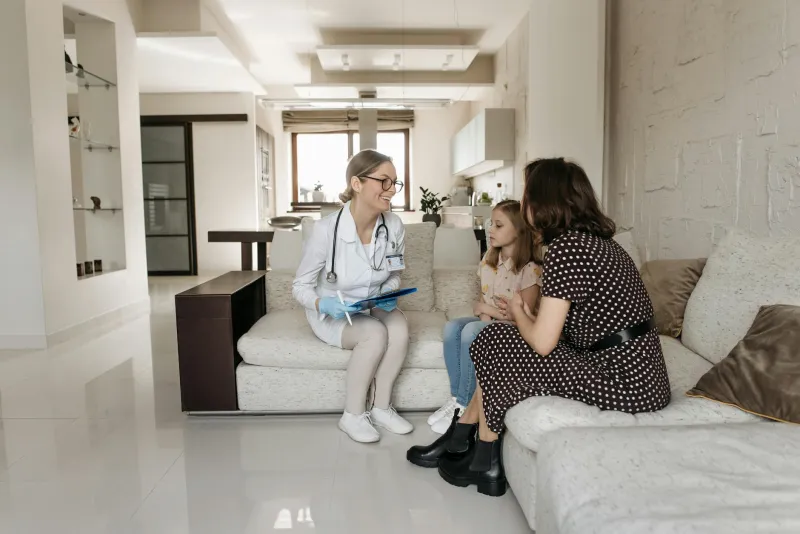
Prepare for your GP appointment: Write down your symptoms, how long you've experienced them, and their impact on your life. Be specific – doctors respond better to clear information.
Know your rights: Vaginal oestrogen is available on NHS prescription. If your GP seems reluctant or uninformed, ask for a referral to a menopause specialist.
Consider timing: Book a longer appointment if possible, and don't feel rushed into accepting inadequate solutions.
The bigger picture
Vaginal atrophy represents a broader issue with how we approach women's midlife health. Too often, women's concerns are minimised or dismissed as inevitable consequences of ageing. But experiencing menopause doesn't mean accepting a diminished quality of life.
"Every woman deserves to feel comfortable in her own body," says Dr Richardson. "Sexual health is part of overall health, regardless of age. We need to move beyond embarrassment and start having honest, informed conversations about what's possible."
Sarah, whose story opened this article, finally spoke to her GP six months ago. "I wish I'd done it sooner. Within weeks of starting treatment, the pain was gone. My relationship with my husband is stronger than ever, and I feel like myself again."
Starting the conversation
If you're experiencing vaginal dryness, discomfort, or pain during intimacy, you're not alone – and you don't have to suffer in silence. Effective treatments exist, and they're available on the NHS. Your comfort, your relationships, and your quality of life matter at every stage of life.
The only thing more uncomfortable than talking about vaginal atrophy? Living with it unnecessarily when help is readily available.