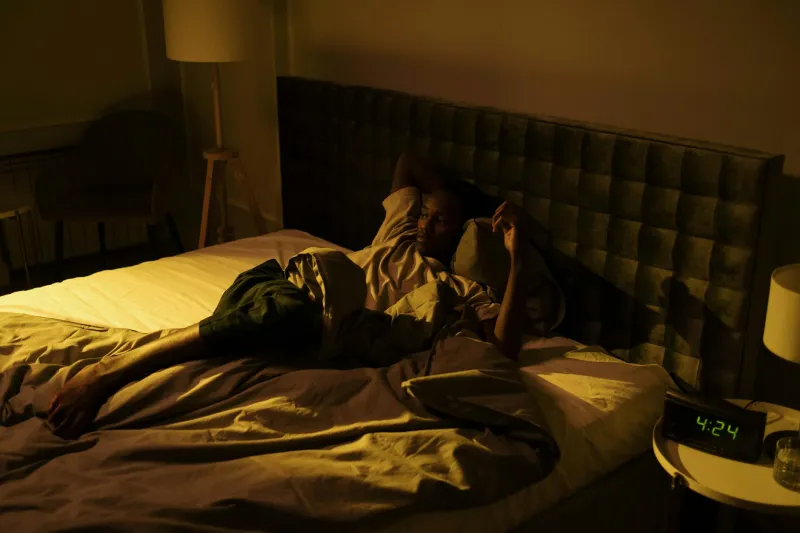
When Sleep Becomes a Distant Memory
If you're reading this at 3am on your phone, desperately googling 'why can't I sleep menopause' for the hundredth time, you're not alone. Across Britain, millions of women in their 40s and 50s are lying wide-eyed in the dark, wondering when their once-reliable eight hours became a luxury reserved for their pre-perimenopause past.
"I used to be one of those annoying people who could fall asleep anywhere," says Sarah, 48, from Manchester. "Now I lie there for hours, my mind racing about everything from tomorrow's meetings to whether I remembered to defrost the chicken. It's like my brain forgot how to switch off."
Whilst hot flushes get all the attention in menopause conversations, sleep disruption affects up to 85% of women during perimenopause and menopause — making it one of the most common yet underestimated symptoms of this life stage.
Beyond Hot Flushes: The Real Sleep Saboteurs
Yes, night sweats can jolt you awake in a puddle of perspiration. But the sleep story doesn't end there. Hormonal chaos creates a perfect storm of sleep disruptors that go far beyond temperature regulation.
The Cortisol Connection
As oestrogen levels fluctuate and decline, your stress hormone cortisol can go haywire. Instead of following its natural rhythm — high in the morning, low at night — cortisol can spike at bedtime, leaving you feeling simultaneously exhausted and wired.
"It's like having three double espressos at 11pm," explains Dr. Helen Morrison, a sleep specialist working with the NHS in Birmingham. "Your body is crying out for rest, but your stress system is stuck in the 'on' position."
The Anxiety Spiral
Menopause doesn't just mess with your hormones; it can turn your thoughts into a hamster wheel of worry. Research shows that 70% of menopausal women experience increased anxiety, and nighttime is when it loves to strike hardest.
Jenny, 52, from Edinburgh, describes it perfectly: "I'd get into bed fine, then suddenly I'm catastrophising about everything. Did I send that email? What if my daughter fails her A-levels? Why does my knee hurt? Before I know it, it's 5am and I'm planning my own funeral."
Restless Legs and Racing Hearts
Two lesser-known menopause sleep thieves are restless leg syndrome and heart palpitations. Declining iron levels (common during heavy perimenopausal periods) can trigger that maddening urge to move your legs just as you're drifting off. Meanwhile, hormonal fluctuations can cause your heart to race or skip beats, jolting you awake with worry.
Why Standard Sleep Advice Falls Short
Every woman dealing with menopausal insomnia has been there: well-meaning friends suggesting chamomile tea, cutting caffeine after 2pm, or investing in blackout curtains. Whilst these tips aren't wrong, they're addressing sleep hygiene when the real issue is hormonal havoc.
"Telling a menopausal woman to 'just relax' is like telling someone with a broken leg to 'just walk normally,'" says Lisa, 49, from Cardiff, who struggled with sleep for three years before finding effective treatment.
The standard advice assumes your sleep system is functioning normally but needs fine-tuning. In menopause, the entire system needs recalibrating.
What Actually Works: Evidence-Based Solutions
Cognitive Behavioural Therapy for Insomnia (CBT-I)
The gold standard treatment for chronic insomnia, CBT-I is available through the NHS and specifically effective for menopausal sleep issues. Unlike sleeping pills, it addresses the root causes of sleep problems and creates lasting change.
"CBT-I taught me to break the anxiety cycle," says Maria, 51, from Liverpool. "Instead of lying there panicking about not sleeping, I learned techniques to calm my mind and reset my sleep patterns."
You can access CBT-I through your GP or via NHS-approved apps like Sleepio.
Hormone Replacement Therapy (HRT)
For many women, addressing the hormonal root cause provides the most dramatic sleep improvement. HRT can stabilise oestrogen levels, reducing night sweats and helping regulate cortisol patterns.
"Within six weeks of starting HRT, I was sleeping through the night for the first time in two years," reports Amanda, 54, from Bristol. "It was life-changing."
Targeted Supplements
Whilst not magic bullets, certain supplements can support better sleep when used strategically:
- Magnesium glycinate: Helps calm the nervous system
- Iron: Essential if blood tests reveal deficiency
- Vitamin D: Low levels are linked to poor sleep quality
- Melatonin: Available on prescription in the UK for over-55s
Always consult your GP before starting supplements, especially if you're taking other medications.
Creating Your Sleep Recovery Plan
The Menopause-Specific Sleep Toolkit
Temperature Management: Layer bedding you can easily remove, invest in a cooling mattress topper, and keep a small fan bedside.
Anxiety Interruption: Practice the 4-7-8 breathing technique (breathe in for 4, hold for 7, exhale for 8) or try guided meditations specifically for menopause.
Movement Matters: Regular exercise improves sleep quality, but avoid intense workouts within four hours of bedtime as they can spike cortisol.
Timing is Everything: If you can't fall asleep within 20 minutes, get up and do a quiet activity until you feel sleepy. This prevents your bed becoming associated with frustration.
The NHS Route: Getting Professional Help
Don't suffer in silence. Your GP should take menopausal sleep problems seriously. Come prepared with a sleep diary noting patterns, triggers, and symptoms. If your first GP dismisses your concerns, request a different doctor or ask for a referral to a menopause specialist.
Sleep clinics are also available through the NHS for persistent insomnia that doesn't respond to initial treatments.
The Light at the End of the Tunnel
Whilst menopausal sleep disruption can feel endless, it's important to remember that it's temporary. Most women find their sleep patterns stabilise post-menopause, especially with appropriate support and treatment.
"I never thought I'd sleep properly again," reflects Carol, 58, from Glasgow. "But with the right combination of HRT, CBT-I techniques, and patience, I'm back to sleeping like a teenager — well, almost."
If you're currently staring at the ceiling at stupid o'clock, remember: this phase will pass, help is available, and you deserve a good night's sleep. Your future well-rested self is cheering you on.