When Your Mouth Becomes a Hormone Casualty
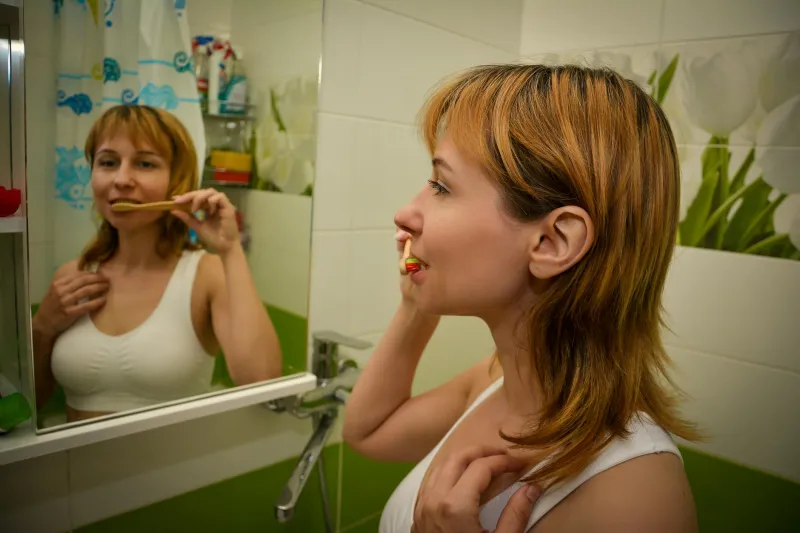
Sarah thought she was just getting older when her gums started bleeding during her morning brush. At 48, she'd always prided herself on good dental hygiene — regular check-ups, daily flossing, the works. But suddenly, her teeth felt loose, her mouth was constantly dry, and even her favourite Earl Grey left a metallic taste that lingered for hours.
What Sarah didn't know was that her declining oestrogen levels were quietly dismantling her oral health, one hormone at a time.
"I went through three different toothpastes, thinking I had sensitivity issues," Sarah recalls. "My dentist suggested a night guard for grinding, prescribed a stronger fluoride treatment, even referred me to a periodontist. Not once did anyone ask about my periods or mention hormones."
Sarah's story isn't unique. Across Britain, thousands of women in their forties and fifties are watching their dental health deteriorate, unaware that menopause is the hidden culprit behind their crumbling smiles.
The Hormone-Mouth Connection Nobody Talks About
Oestrogen isn't just about reproduction — it's a master regulator that affects virtually every system in your body, including your mouth. When levels start to fluctuate during perimenopause and then plummet after menopause, your oral health takes a direct hit.
Dr. Rachel Morrison, a periodontist based in Manchester, sees the effects daily. "Oestrogen helps maintain the collagen in your gums and supports bone density in your jaw," she explains. "When it drops, we see increased inflammation, bone loss around the teeth, and changes in saliva composition that can lead to decay."
The science is stark: post-menopausal women are 86% more likely to develop severe gum disease compared to pre-menopausal women. Yet this connection remains largely invisible in routine dental care.
The Triple Threat: Gums, Bones, and Saliva
Your Gums Under Siege
Falling oestrogen levels trigger inflammatory responses throughout your body, and your gums are particularly vulnerable. What starts as occasional bleeding can quickly progress to periodontitis — a serious gum infection that can destroy the soft tissue and bone supporting your teeth.
"Women often notice their gums becoming more tender and swollen during perimenopause," notes Dr. Morrison. "They might bleed more easily when brushing or flossing. This isn't just about getting older — it's a direct result of hormonal changes."
Jaw Bone Density Takes a Hit
The same bone loss affecting your hips and spine during menopause is happening in your jaw, though it's far less visible. Reduced bone density in the jaw can lead to tooth loss, changes in facial structure, and problems with denture fit for those who need them.
Research shows that women lose up to 20% of their bone density in the first five to seven years after menopause. Your jawbone isn't immune to this process.
When Your Mouth Runs Dry
Saliva production decreases during menopause, creating what dental professionals call xerostomia — chronic dry mouth. This isn't just uncomfortable; it's dangerous for your teeth.
"Saliva is your mouth's natural defence system," explains Dr. Morrison. "It neutralises acid, washes away food particles, and contains antibacterial properties. When production drops, your risk of cavities and gum disease skyrockets."
The NHS Dental Blind Spot
Despite the clear links between hormones and oral health, most NHS dental practices aren't equipped to make these connections. Dental training traditionally focuses on local factors — plaque, decay, trauma — rather than systemic hormonal influences.
"There's a massive gap in education," admits Dr. James Fletcher, a general dentist in Birmingham. "We're trained to treat the symptoms we see, but we're not necessarily thinking about the bigger picture of what's happening hormonally in a woman's body."
This disconnect means women like Sarah can spend months or even years treating symptoms without addressing the underlying cause. Meanwhile, the damage accumulates.
Fighting Back: Your Dental Defence Strategy
Start the Conversation
Don't wait for your dentist to connect the dots. Be explicit about your menopausal status and any symptoms you're experiencing. Ask directly whether your oral health changes could be hormone-related.
Upgrade Your Home Care
Menopausal mouths need extra attention. Consider switching to a toothpaste designed for sensitive teeth and gums, and don't skimp on flossing. An antibacterial mouthwash can help combat the increased bacterial activity that comes with reduced saliva.
Stay Hydrated
Combat dry mouth by drinking plenty of water throughout the day. Sugar-free gum or lozenges can stimulate saliva production, but avoid anything with citric acid, which can erode already vulnerable tooth enamel.
Consider HRT
For women already on hormone replacement therapy, the oral health benefits are an added bonus. Studies suggest that HRT can help maintain bone density in the jaw and support healthier gums.
Frequency Matters
Increase your dental check-up frequency if possible. Many women benefit from seeing their hygienist every three months rather than the standard six during the menopausal transition.
The Bigger Picture
Your mouth is often the first place systemic health issues show up, and menopause is no exception. Paying attention to changes in your oral health during this transition isn't vanity — it's essential healthcare.
"I wish I'd known earlier that my dental problems were connected to my hormones," reflects Sarah, now 52 and managing her oral health proactively. "I spent two years thinking I was failing at basic dental care when actually my body was going through a massive transition."
The silence around menopausal oral health needs to end. Your smile depends on it, and so does your confidence, your nutrition, and your overall quality of life. It's time to demand that dental care acknowledges the whole woman, hormones and all.
After all, your teeth are meant to last a lifetime — even through menopause.