Instant Menopause: When Your Body Doesn't Get the Gradual Memo
The Twenty-Four Hour Change
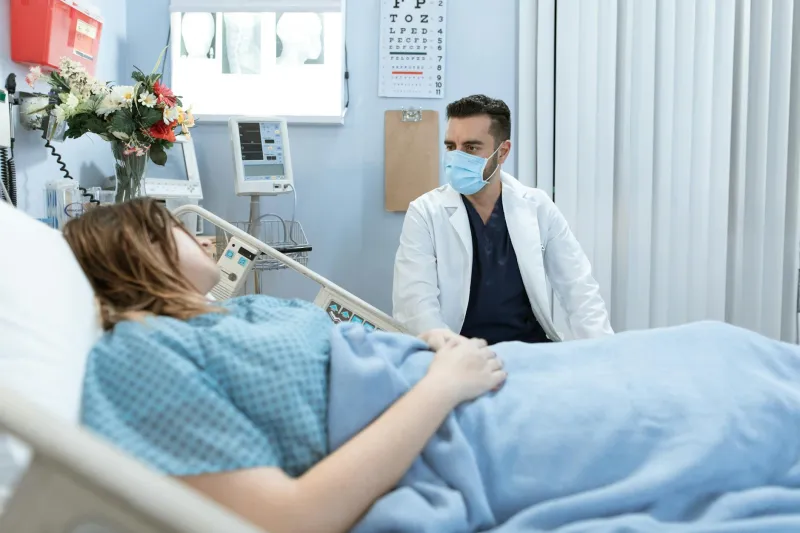
At 9am on a Tuesday morning, Emma was premenopausal. By 3pm the same day, following an emergency hysterectomy due to complications from endometriosis, she was post-menopausal. No gradual wind-down of periods, no months of irregular cycles, no gentle introduction to what lay ahead.
"Nobody prepared me for waking up in a completely different body," Emma, now 44, reflects. "I went from having normal hormone levels to having virtually none overnight. It was like falling off a hormonal cliff."
Emma's experience represents a significant gap in how we discuss and treat menopause in Britain. While natural menopause affects around 13 million women in the UK, surgical menopause—caused by the removal of ovaries or, in some cases, hysterectomy alone—creates an entirely different medical scenario that our healthcare system struggles to address.
Why Surgery Changes Everything
Dr. Anita Sharma, a consultant gynaecologist specialising in surgical menopause, explains the fundamental difference: "In natural menopause, hormone levels decline gradually over several years. The body has time to adapt. In surgical menopause, particularly when both ovaries are removed, hormone production stops immediately. It's physiologically traumatic."
The statistics tell their own story. Women who undergo surgical menopause are:
- More likely to experience severe symptoms
- At higher risk of cardiovascular disease
- More prone to osteoporosis
- Significantly more likely to develop depression and anxiety
Yet despite these heightened risks, many women report feeling abandoned by a system designed around the gradual natural transition.
The Preparation Problem
Kate, 38, had her ovaries removed as a preventive measure after testing positive for the BRCA gene mutation. Despite knowing the surgery was coming, she felt wholly unprepared for the reality.
"My surgeon explained the cancer risk reduction beautifully," she says. "But when I asked about what to expect afterwards, I got a leaflet about HRT and a vague suggestion that I might experience some symptoms. No one mentioned that I'd wake up feeling like I'd aged twenty years overnight."
This preparation gap isn't just about information—it's about timing. Natural menopause gives women years to research, plan, and gradually adjust. Surgical menopause often happens in the context of treating serious medical conditions, when the focus is understandably on the immediate health crisis rather than long-term hormonal consequences.
The NHS Response Gap
Our investigation found significant inconsistencies in how different NHS trusts handle surgical menopause aftercare. Some hospitals have dedicated menopause services with rapid access for surgical patients. Others discharge women with a standard HRT prescription and an eight-week follow-up appointment with their GP.
Dr. Sarah Collins, who runs a surgical menopause clinic in Leeds, describes the postcode lottery: "I see women who've travelled hundreds of miles because their local trust has no specialist support. It's unacceptable that where you live determines the quality of care you receive for such a significant medical event."
The Royal College of Obstetricians and Gynaecologists acknowledges the problem in their latest guidelines, stating that "surgical menopause requires specialist management," but implementation remains patchy across the UK.
 Photo: Royal College of Obstetricians and Gynaecologists, via www.integral-engineering.co.uk
The Emotional Earthquake
Beyond the physical symptoms lies an emotional dimension that's often overlooked. Natural menopause, however challenging, represents a natural life transition. Surgical menopause can feel like something has been taken away.
"I grieved for my old body," explains Rachel, who had a hysterectomy at 35 following cervical cancer. "It sounds dramatic, but I felt like I'd lost part of my identity as a woman. The hot flushes and brain fog were horrible, but the psychological impact was worse."
Psychologist Dr. Helen Morris, who specialises in women's health, emphasises the importance of acknowledging this grief: "We need to validate that surgical menopause represents a significant life change that happens without choice or preparation time. The psychological support should be automatic, not something women have to fight for."
The Age Factor
When surgical menopause happens to younger women, the challenges multiply. Lisa was 32 when ovarian cancer necessitated the removal of both ovaries.
"All the menopause resources seemed designed for women in their fifties," she recalls. "I was dealing with fertility loss, early aging risks, and symptoms my peers couldn't understand. I felt completely alone."
Younger women facing surgical menopause need different information, different support networks, and often more aggressive treatment to protect against long-term health risks. Yet many report being treated with a one-size-fits-all approach.
Getting the Right Support
So what should women expect, and demand, when facing surgical menopause?
Pre-surgical counselling should cover not just the procedure itself but detailed information about hormonal consequences, symptom management, and long-term health implications.
Immediate HRT consideration is crucial for most women, unless specifically contraindicated. The benefits typically far outweigh the risks, especially for younger women.
Specialist follow-up within 2-4 weeks, not the standard 6-8 week post-surgical check. Hormone levels can be monitored and treatment adjusted quickly.
Mental health support should be offered proactively, not reactively. The psychological impact of surgical menopause is predictable and treatable.
Long-term monitoring for cardiovascular health, bone density, and cognitive function becomes more important than for women experiencing natural menopause.
Fighting for Better Care
Advocacy groups are pushing for change. The Surgical Menopause Support Group, established in 2019, has been lobbying for mandatory specialist pathways and standardised information provision.
Founder Caroline Thompson explains their mission: "We want every woman facing surgical menopause to receive the same high-quality information and support, regardless of where she lives or why she needs surgery. It's not too much to ask."
The Cost of Getting It Wrong
When surgical menopause aftercare fails, the consequences extend beyond individual suffering. Emergency GP visits, repeated hospital admissions for symptom management, and mental health crises all burden an already stretched NHS.
Dr. Sharma calculates that proper initial support costs a fraction of crisis management: "A £200 specialist consultation and appropriate HRT prescription can prevent thousands of pounds worth of emergency interventions."
Looking Forward
Change is happening, slowly. New NICE guidelines specifically address surgical menopause, and more trusts are developing specialist pathways. Patient advocacy is making a difference, with women sharing their experiences and demanding better.
But for the women entering surgical menopause today, tomorrow, and next week, the system remains inconsistent. The message is clear: know what you should expect, ask for specialist support, and don't accept substandard care.
Surgical menopause isn't natural menopause with a faster timeline—it's a different medical event requiring different medical responses. Until our healthcare system fully recognises this distinction, women will continue falling through gaps that shouldn't exist.
The conversation is changing, but not fast enough. Every woman deserves proper preparation, immediate support, and long-term monitoring when their hormonal life changes overnight. That's not too much to ask—it's the bare minimum of good medical care.