The Bill That Never Stops Coming
Sarah from Manchester thought she was losing her mind. Night sweats were destroying her sleep, brain fog was affecting her work, and her periods had become unpredictable chaos. When her GP suggested "lifestyle changes" and offered antidepressants, she knew she needed proper help. That decision would cost her over £2,000 in the first year alone.
Sarah's story isn't unique. Across Britain, women are quietly footing enormous bills for something that happens to roughly half the population. We're not talking about luxury treatments or vanity procedures — we're talking about basic healthcare for a natural biological transition that affects 13 million women in the UK.
Counting the Real Cost
Let's break down what British women are actually spending:
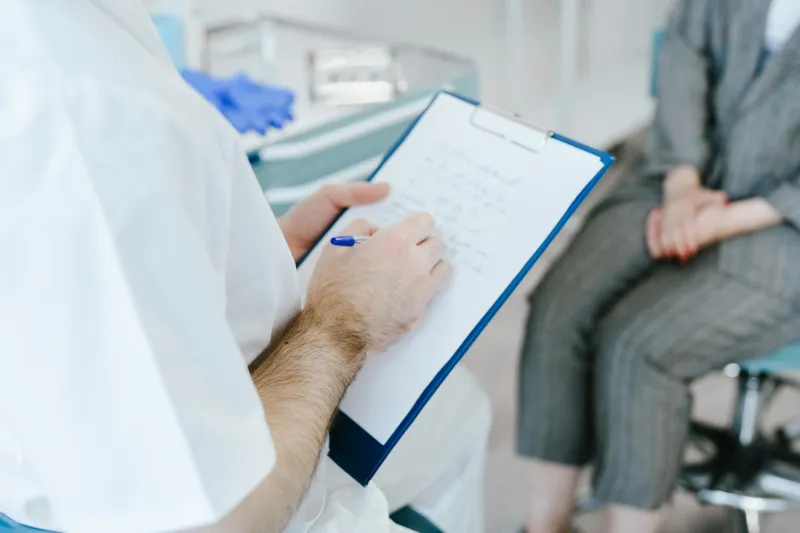
Private Healthcare: When NHS waiting lists stretch for months and GPs lack menopause training, private consultations become essential. A single appointment with a menopause specialist ranges from £200-£400, with follow-ups at £150-£250. Many women need multiple visits to get their treatment right.
Prescription Charges: While contraception is free, HRT isn't always. In England, each prescription costs £9.65 — and many women need multiple items monthly. That's over £115 annually, assuming you only need basic HRT. Add in testosterone, vaginal oestrogen, or other treatments, and costs multiply.
The Comfort Industry: When you're drenched in sweat nightly, a £200 cooling mattress topper isn't indulgent — it's survival. Moisture-wicking pyjamas, desk fans, cooling towels, and temperature-regulating bedding have created an entire economy around women's discomfort. The average woman spends £300-£500 annually on these "solutions."
Mental Health Support: With NHS therapy waiting lists averaging 18 weeks, many women pay privately for counselling to cope with menopause-related anxiety, depression, and relationship issues. Private therapy costs £50-£100 per session.
Workplace Adjustments: Flexible working arrangements often mean reduced hours and lower pay. Some women invest in private workspace modifications or even career coaching to navigate workplace challenges.
The Stories Behind the Spending
Julie, a teacher from Birmingham, keeps meticulous records of her menopause expenses. "Last year, I spent £1,847 on menopause-related costs," she tells us. "Private GP appointments, HRT prescriptions, a new mattress, three different types of cooling fans, and counselling sessions. That's nearly two months' salary after tax."
Meanwhile, Emma from Leeds discovered that getting the right HRT combination required four private consultations over eight months. "Each appointment cost £280, plus travel and time off work. By the time I found something that worked, I'd spent over £1,200 — and that's before the ongoing prescription costs."
The Postcode Lottery
Your location dramatically affects your menopause expenses. Women in Scotland benefit from free prescriptions, saving hundreds annually. Those in affluent areas might access better-trained GPs and shorter NHS waiting times, while women in underserved regions face stark choices: suffer in silence or pay privately.
Dr Rebecca Lewis, a menopause specialist, explains: "I see women travelling hundreds of miles for appointments because their local healthcare system has failed them. They're not just paying consultation fees — they're paying for hotels, petrol, childcare. The true cost is staggering."
What Should Be Free (But Isn't)
The cruel irony is that much of what women pay for privately should be available through the NHS:
- Timely, knowledgeable GP consultations instead of months-long waits and dismissive attitudes
- Specialist referrals when needed, not as a last resort
- Comprehensive HRT options including testosterone and vaginal oestrogen
- Mental health support specifically trained in menopause-related issues
- Workplace health assessments and reasonable adjustments
The Systemic Solution
Other countries provide better models. In France, HRT is heavily subsidised. Australian workplaces are implementing menopause policies with government support. Meanwhile, British women are individually funding solutions to a collective healthcare failure.
Campaigner Diane Danzebrink argues: "We wouldn't expect diabetics to privately fund their insulin or cancer patients to crowdfund chemotherapy. Yet women are quietly bankrupting themselves for basic menopause care."
Beyond the Money
The financial burden represents something deeper: the systematic devaluing of women's health experiences. When half the population faces a predictable health transition, making it their individual financial responsibility is both economically inefficient and morally questionable.
Making Change Happen
Some progress is emerging. The government has promised better menopause training for GPs and is considering prescription charge reforms. But change feels frustratingly slow for women currently choosing between heating bills and HRT.
Women are organising, sharing costs and strategies. Online communities swap recommendations for affordable cooling products, bulk-buy supplements, and share private GP experiences. It's mutual aid born from necessity.
The Real Bottom Line
Every month, British women collectively spend millions navigating menopause — money that could stay in their pockets with proper NHS provision. This isn't about demanding luxury care; it's about basic healthcare equity.
Until systemic change arrives, women continue paying the menopause tax — a levy on their biology, their sleep, their careers, and their financial security. In a country that prides itself on free healthcare, this hidden taxation of half the population should shame us into action.
The question isn't whether Britain can afford to properly support menopausal women — it's whether we can afford not to.