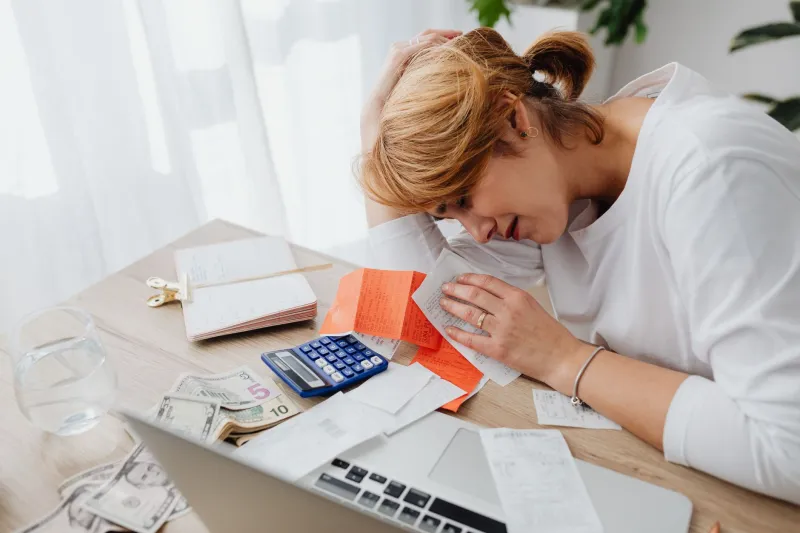
The Great Disappearing Act: When Menopause Makes You Cancel Your Life
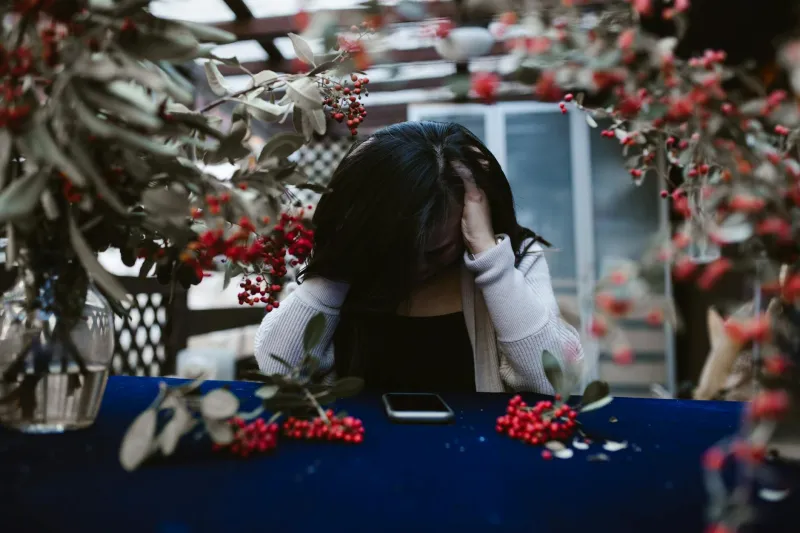
The Text I Never Wanted to Send
"So sorry, can't make tonight after all. Something's come up xx"
I stare at the message before hitting send, knowing full well that nothing has 'come up' except another wave of crushing anxiety that's made the thought of sitting through dinner with friends feel utterly impossible. It's the fourth time I've cancelled plans this month, and the shame is almost worse than the symptoms themselves.
Welcome to the world of menopause-induced social withdrawal — where women who were once the life and soul of every gathering quietly start declining invitations, making excuses, and slowly disappearing from their own lives.
When Your Body Becomes Unreliable
The thing about perimenopause is that it turns your body into an unreliable narrator. You might feel absolutely fine when you RSVP yes to that birthday party, but come Saturday evening, you're sweating through your third outfit change, your heart's racing for no reason, and the thought of making small talk feels as appealing as root canal surgery.
"I used to be the friend who organised everything," says Claire, 49, from Manchester. "Girls' weekends, dinner parties, theatre trips — I loved bringing people together. Now I'm the friend who says yes enthusiastically and then cancels at the last minute because I've had three hot flushes in an hour and feel like I'm falling apart."
The unpredictability is the killer. Unlike a chronic condition where you might know your bad days, menopause symptoms can strike without warning. One minute you're fine, the next you're experiencing what feels like a full-body malfunction.
The Shame Spiral
What makes this worse is the shame that builds with each cancelled plan. We start creating increasingly elaborate excuses because "I'm having a hormonal meltdown" doesn't feel like a socially acceptable reason to bail on your best friend's birthday drinks.
"I became a really good liar," admits Rachel, 52, from Edinburgh. "Sudden migraines, childcare emergencies that didn't exist, work crises that were completely fictional. I was so embarrassed about what was really happening to me that I preferred people to think I was unreliable rather than admit I was struggling with menopause."
The irony is that by trying to protect our reputation, we often damage it anyway. Friends start assuming we're just not interested, invitations dry up, and before we know it, we've accidentally isolated ourselves from the very support networks we need most.
The Toilet Terror
Let's talk about something nobody discusses at dinner parties — the sudden, urgent need for the loo that can strike at the most inconvenient moments. Bladder symptoms affect up to 80% of menopausal women, but it remains one of the most shameful and isolating aspects of this life stage.
"I stopped going to the cinema because I couldn't guarantee I wouldn't need to get up three times during a film," says Linda, 48. "I cancelled theatre tickets, avoided long car journeys, and basically planned my entire social life around toilet access. It sounds ridiculous when I say it out loud, but it was my reality."
The fear of embarrassment becomes so overwhelming that many women simply stop putting themselves in situations where symptoms might strike. Book clubs, concerts, long lunches — all become potential minefields rather than sources of joy.
The Hot Flush Panic
Then there are the hot flushes — those sudden waves of heat that can turn a pleasant evening out into a sweaty nightmare. The physical discomfort is bad enough, but it's the social anxiety that really gets you.
"I remember sitting in a restaurant with friends, feeling a flush coming on, and becoming completely fixated on whether everyone could see me turning red," recalls Emma, 50. "I spent the entire evening worried about my face rather than enjoying the conversation. I started making excuses to avoid restaurants altogether."
The cruel irony is that stress makes symptoms worse, so the more we worry about having a hot flush in public, the more likely we are to have one. It becomes a vicious cycle that can trap us in our own homes.
Finding Your Way Back
But here's the thing — you don't have to disappear. There are ways to stay socially connected while managing unpredictable symptoms:
Be honest with close friends: You might be surprised how understanding people are when you explain what's really going on. True friends want to support you, not judge you.
Suggest menopause-friendly activities: Invite people for coffee rather than long dinners. Choose venues with good ventilation and easily accessible loos. Take control of the social planning.
Have an exit strategy: Knowing you can leave if needed often makes it easier to say yes in the first place. Drive yourself, book seats near the exit, or have a taxi app ready.
Start small: If big social events feel overwhelming, begin with one-on-one coffee dates or short activities. Build your confidence gradually.
Consider timing: Many women find their symptoms are worse at certain times of day or month. Plan social activities for when you typically feel better.
The Community You Didn't Know You Needed
One unexpected silver lining of menopause-related social anxiety is discovering how many other women are going through exactly the same thing. Online communities and menopause support groups are full of women sharing stories that will make you feel less alone.
"I joined a local menopause meetup group, and it was like finding my tribe," says Sarah, 51. "Everyone understood why I might need to leave early, why I was carrying a portable fan, why I was checking where the nearest loo was. There was no judgment, just solidarity."
Your Social Life Isn't Over
Menopause might be changing the rules of engagement, but it doesn't have to end your social life. Yes, you might need to be more strategic about when and how you socialise. Yes, you might need to have some awkward conversations about what you're going through. But isolation isn't inevitable.
Your real friends — the ones worth keeping — will understand. They might even share their own stories of hormonal chaos and social anxiety. Because here's what I've learned: most of us are just making it up as we go along, trying to look like we've got our lives together while secretly falling apart.
Menopause just makes it harder to maintain the illusion. And maybe that's not such a bad thing.
So next time you're tempted to send that cancellation text, consider sending this instead: "Looking forward to tonight, but I'm going through menopause and having a rough patch. I might need to leave early, but I really want to see you."
You might be surprised by the response. And even if you do need to leave early, at least you showed up. Sometimes, that's enough.