The Exercise Betrayal
Sarah had been a devoted spin class regular for eight years. Three times a week, without fail, she'd push through those brutal 45-minute sessions, emerging sweaty and triumphant. But at 48, something shifted. Instead of feeling energised, she'd leave the studio exhausted. Her sleep became erratic, her mood volatile, and despite maintaining her rigorous routine, her body was changing in ways that felt completely out of her control.
"I thought I wasn't trying hard enough," Sarah tells me. "So I added extra sessions, pushed harder. I was convinced that more exercise was the answer to everything I was experiencing."
Sarah's story isn't unique. Across Britain, women in their forties and fifties are discovering that their tried-and-tested fitness routines aren't just failing them – they're actively working against their changing bodies.
The Hormonal Shift That Changes Everything
During perimenopause and menopause, declining oestrogen levels fundamentally alter how our bodies respond to exercise. Dr. Emma Thornton, a sports medicine specialist based in Manchester, explains: "Oestrogen plays a crucial role in muscle recovery, fat metabolism, and stress hormone regulation. When levels drop, the exercise protocols that worked in our thirties can become counterproductive."
The science is clear: excessive cardio during menopause can elevate cortisol levels, leading to increased belly fat, disrupted sleep, and heightened anxiety – the very symptoms many women are trying to exercise away.
"I see women who are doing more exercise than ever but feeling worse than ever," says personal trainer Lisa McDonald, who specialises in midlife fitness at her Surrey-based studio. "They're stuck in this cycle of believing they need to work harder when actually, they need to work smarter."
The Strength Training Revolution
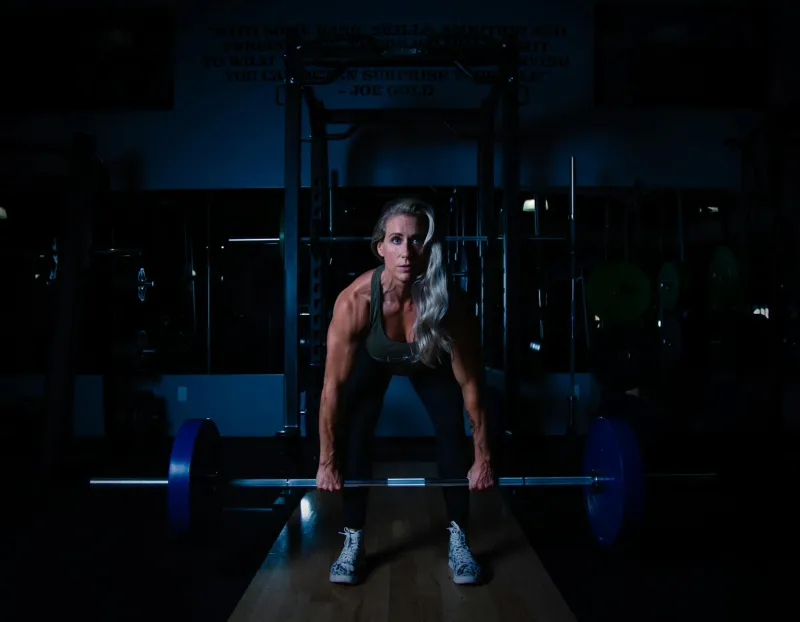
The evidence is mounting: strength training becomes absolutely crucial during menopause. Not the pink dumbbells and endless repetitions of decades past, but proper resistance work that challenges your muscles and bones.
"Oestrogen is protective for our bones and muscles," explains Dr. Thornton. "As it declines, we lose muscle mass at an accelerated rate – up to 1% per year after menopause. Strength training is the most effective way to combat this."
Jenny, a 52-year-old from Leeds, discovered this transformation firsthand. After years of feeling defeated by her changing body, she reluctantly tried weight training. "Within three months, I felt stronger than I had in years. My sleep improved, my mood stabilised, and for the first time in ages, I actually looked forward to exercise."
Rethinking Rest and Recovery
Perhaps the biggest mindset shift required is around recovery. The 'no pain, no gain' mentality that might have served us in our twenties becomes actively harmful during menopause.
"Recovery time increases significantly," notes Lisa McDonald. "Where you might have bounced back from intense exercise in 24 hours, you might now need 48-72 hours. This isn't failure – it's biology."
The solution isn't abandoning exercise but embracing a more nuanced approach. This might mean:
- Alternating strength training days with gentle movement like walking or yoga
- Listening to your body's energy levels rather than forcing scheduled sessions
- Prioritising sleep and stress management as part of your fitness routine
- Viewing rest days as productive, not lazy
The Movement Prescription for Midlife
So what does effective midlife exercise actually look like? The research points to a balanced approach:
Strength training 2-3 times per week: Focus on compound movements that work multiple muscle groups. Think squats, deadlifts, and push variations rather than isolated bicep curls.
Moderate cardio: Yes, cardiovascular health remains important, but the key word is moderate. A brisk 30-minute walk can be more beneficial than a punishing HIIT session.
Flexibility and mobility work: As oestrogen declines, joints can become stiffer. Regular stretching and mobility work becomes essential, not optional.
Stress-reducing movement: Yoga, tai chi, or even dancing – movement that brings joy rather than stress.
The Mental Shift
Perhaps the most challenging aspect of this transition is the mental adjustment. In a culture that equates more with better, accepting that less might be more feels revolutionary.
"I had to grieve my old relationship with exercise," admits Sarah. "I loved the intensity, the push, the feeling of conquering something. But I had to learn that being kind to my body wasn't giving up – it was growing up."
Finding Your New Formula
The key is experimentation and patience. What works for your neighbour might not work for you. Some women thrive on morning workouts; others find evening sessions less disruptive to their sleep. Some love group classes; others prefer the solitude of home workouts.
"It's about becoming curious about your body again," suggests Lisa McDonald. "Notice how different types of movement make you feel, not just during exercise but for the 24-48 hours afterwards."
The Bigger Picture
This shift in exercise approach reflects a broader truth about menopause: it's not about fighting against the changes in our bodies but learning to work with them. The fitness industry has been slow to catch up, but change is happening.
"We're finally starting to see exercise programming designed specifically for menopausal women," notes Dr. Thornton. "It's about time we stopped treating all women's bodies the same regardless of age or hormonal status."
For women like Sarah and Jenny, this new approach to movement has been liberating. "I wish I'd known sooner that I didn't have to punish my body to take care of it," Sarah reflects. "Exercise can be medicine, but only if we're prescribing the right dose."
The message is clear: if your old workout routine is leaving you feeling worse rather than better, it's not a failure of willpower – it's a signal that your body is asking for something different. And there's profound power in learning to listen.