The Phone Call That Changes Everything
Sarah was sitting in her GP's surgery discussing her worsening brain fog when the doctor asked a question that floored her: "Have you considered whether you need to inform the DVLA about these cognitive symptoms?" Like most women navigating menopause, Sarah had no idea that her hormonal health could potentially affect her driving licence.
The intersection of menopause and driving law is a grey area that's leaving thousands of British women confused, anxious, and potentially vulnerable. While the DVLA doesn't specifically mention menopause in their medical guidelines, the symptoms many of us experience could theoretically fall under conditions that require disclosure.
What the Law Actually Says
The DVLA requires drivers to report any medical condition that could affect their ability to drive safely. This includes conditions causing:
- Significant memory problems or confusion
- Severe anxiety or panic attacks
- Episodes of altered consciousness
- Medication side effects that impair driving
Sound familiar? For women experiencing severe perimenopause or menopause symptoms, this creates a legal minefield. Brain fog that makes you forget where you parked isn't just frustrating – it could potentially be something you're legally obligated to report.
But here's where it gets complicated: there's no clear guidance on what constitutes "severe enough" symptoms to warrant disclosure. One woman's manageable hot flush is another's debilitating episode that leaves her disoriented and shaky.
The GP Gatekeeping Problem
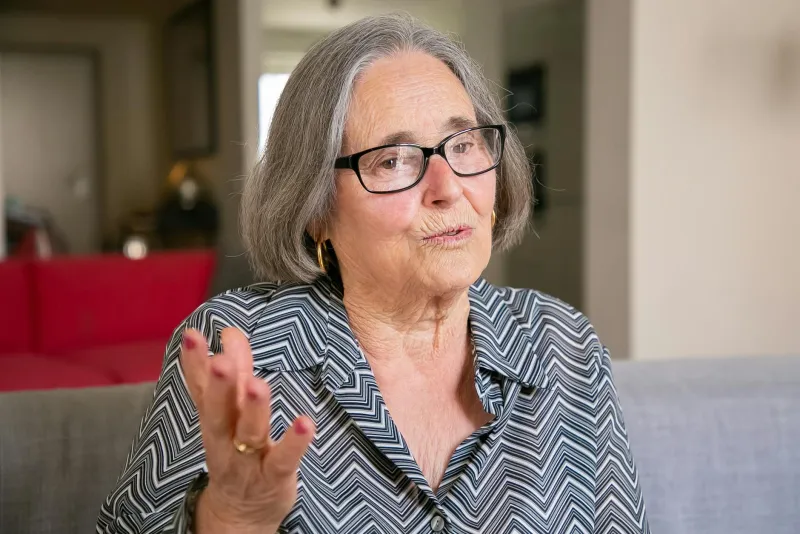
Most GPs aren't equipped to make definitive judgements about menopause and driving safety. Dr. Helen Morrison, a menopause specialist in Manchester, explains: "I've had patients ask me to write letters to the DVLA saying their symptoms don't affect their driving, but I can't make that assessment based on a ten-minute consultation."
 Photo: Dr. Helen Morrison, via www.uniklinikum-jena.de
This puts women in an impossible position. Your GP might suggest you contact the DVLA "to be safe," but the DVLA will likely refer you back to your doctor for a medical assessment. It's a bureaucratic loop that leaves women doing their own risk assessment with potentially serious consequences.
The Real-World Impact
For many women, driving isn't optional – it's essential for work, caring responsibilities, and basic independence. The fear of losing a licence can lead to dangerous decisions.
Jenny, 52, from Birmingham, chose to stop taking HRT because her GP suggested the side effects might need reporting. "I'd rather suffer with hot flushes than risk my licence," she says. "I'm a single mum with elderly parents. I can't not drive."
Others are driving while experiencing symptoms they know could be dangerous. Lisa, 48, admits: "I've pulled over during panic attacks, but I've never reported them. I'm terrified they'll take my licence away."
Insurance: The Other Legal Minefield
Even if you decide not to inform the DVLA, you still need to consider your insurance obligations. Most policies require disclosure of any medical condition that could affect your driving. Failing to disclose could void your cover entirely, leaving you personally liable for damages in an accident.
Insurance companies are increasingly sophisticated about linking medical conditions to claims. If you're in an accident during a hot flush or while experiencing brain fog, and your medical records show ongoing menopause symptoms, you could face serious legal and financial consequences.
Protecting Yourself: A Practical Approach
Rather than living in fear, take control of the situation:
Document everything. Keep a symptom diary noting when symptoms occur and whether they affect your daily activities. This gives you concrete evidence if questions arise later.
Have honest conversations. Discuss your symptoms openly with your GP, focusing on how they impact your daily life rather than asking them to make DVLA decisions for you.
Consider professional assessment. If you're genuinely concerned about your driving safety, ask for a referral to an occupational health specialist who can provide a proper fitness-to-drive assessment.
Know your options. The DVLA offers temporary licence suspensions while conditions are being treated. For many women, this might be preferable to permanent revocation.
The Advocacy We Need
The current system fails women by treating menopause as an individual medical problem rather than a natural life stage that affects millions of drivers. We need:
- Clear DVLA guidance specifically addressing menopause
- GP training on fitness-to-drive assessments for hormonal conditions
- Insurance industry recognition of temporary hormonal symptoms
- Workplace policies that don't penalise women for temporary driving restrictions
Making Your Decision
Ultimately, only you can assess whether your symptoms genuinely affect your driving safety. But make that decision from a place of knowledge, not fear. The legal obligation isn't to be symptom-free – it's to be honest about conditions that could cause accidents.
If you're experiencing symptoms that make you genuinely unsafe behind the wheel, reporting them isn't just legally required – it's the responsible thing to do. But if you're managing your symptoms effectively and driving safely, the law doesn't require you to disclose every hot flush or moment of brain fog.
The key is being able to demonstrate that you've made an informed, responsible decision based on your actual symptoms and their real-world impact on your driving ability. Because at the end of the day, we all want the same thing: to stay safe on the roads while maintaining our independence and dignity through menopause.