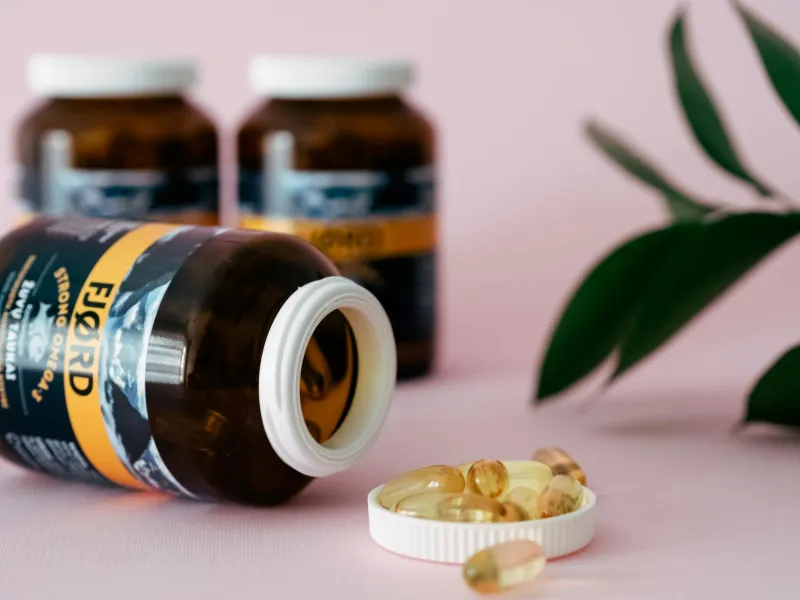
Walk into any Boots or browse Amazon for five minutes, and you'll be bombarded with promises of menopause miracle cures. Ashwagandha for anxiety! Red clover for hot flushes! Magnesium for everything under the sun! British women are spending an estimated £200 million annually on menopause supplements, yet many of us are still waking up in pools of sweat wondering if we've been had.
The truth? The supplement industry is having a field day with our desperation, and it's time we had an honest conversation about what's actually worth your hard-earned cash.
The Wild West of Wellness
Unlike prescription medications, supplements in the UK operate in a regulatory grey area that would make a cowboy blush. The Medicines and Healthcare products Regulatory Agency (MHRA) oversees them, but the bar for evidence is laughably low compared to proper medicines.
"Supplements only need to prove they're safe, not effective," explains Dr Sarah Mitchell, a consultant gynaecologist in Manchester. "They can make vague health claims without the rigorous clinical trials required for HRT or other medications. It's buyer beware, unfortunately."
This means that bottle of £35 'menopause support' capsules you've been eyeing? The manufacturer doesn't need to prove it actually does anything beyond not poisoning you. Comforting thought, isn't it?
The Social Media Snake Oil Sellers
Scroll through Instagram or TikTok, and you'll find influencers with perfect skin and designer kitchens flogging supplements like they're sharing state secrets. "This changed my life!" they beam, conveniently forgetting to mention their hefty affiliate commissions.
The problem isn't just misleading marketing – it's that desperate women are making expensive decisions based on testimonials rather than evidence. When you're three months into barely sleeping and your GP has a six-week waiting list, a glossy Instagram ad promising relief can feel like a lifeline.
What the Science Actually Says
Black Cohosh: The Overpriced Placebo?
Black cohosh is everywhere in the menopause supplement world, often marketed as "nature's HRT." The reality is far less exciting. Multiple systematic reviews have found minimal evidence that black cohosh significantly reduces hot flushes or other menopause symptoms.
"The studies on black cohosh are inconsistent at best," says Dr Mitchell. "Some show slight improvements, others show none at all. For the price most women pay, you'd get better value from a decent fan."
Red Clover: Following the Money Trail
Red clover contains isoflavones, plant compounds that weakly mimic oestrogen. Sounds promising, right? Unfortunately, the human body isn't that easily fooled. Most studies show red clover supplements perform only marginally better than placebos, if at all.
The kicker? A month's supply of red clover supplements can cost £20-40, while the actual evidence suggests you'd get similar benefits from eating more soya beans – which cost about £2 for a month's worth.
Magnesium: The Multi-Purpose Marketing Dream
Magnesium supplements are marketed for everything from sleep to mood to muscle cramps. While magnesium deficiency is real and can cause problems, most British women get adequate amounts from their diet.
"Unless you've been tested and found deficient, expensive magnesium supplements are likely just giving you expensive urine," notes pharmacist James Walsh from a busy London practice. "The body excretes what it doesn't need."
The Dangerous Side of 'Natural'
Here's where things get genuinely concerning. "Natural" doesn't mean harmless, and the supplement industry's poor regulation means quality control is often questionable.
Some menopause supplements have been found to contain unlisted ingredients, including actual hormones not declared on the label. Others interact dangerously with common medications. That innocent-looking herbal blend could interfere with your blood pressure medication or antidepressants.
"I've seen women develop liver problems from 'natural' menopause supplements," warns Dr Mitchell. "The lack of regulation means you're essentially taking unknown substances and hoping for the best."
What Actually Might Help (And Won't Break the Bank)
Vitamin D
Most Brits are deficient, especially during our gloomy winters. A basic vitamin D3 supplement (about £5 for three months) actually has solid evidence behind it for bone health and mood.
Omega-3 Fatty Acids
Some evidence suggests omega-3s might help with mood and joint pain during menopause. But skip the expensive "menopause-specific" versions – basic fish oil supplements work just as well.
A Decent Multivitamin
Not sexy, but a basic multivitamin covering the essentials costs under £10 for three months and ensures you're covering nutritional gaps without breaking the bank.
The Bottom Line: Your Wallet Deserves Better
The menopause supplement industry is profiting from our frustration with inadequate healthcare and societal silence around menopause. While we fight for better GP training and HRT access, we're haemorrhaging money on products with little evidence behind them.
Before spending your next £50 on the latest miracle supplement, ask yourself: would this money be better spent on private healthcare, therapy, or simply making your life more comfortable in other ways?
Your symptoms are real, your struggle is valid, but your money deserves to go towards solutions that actually work. In a world full of expensive promises, sometimes the most radical act is keeping your cash in your pocket until something better comes along.